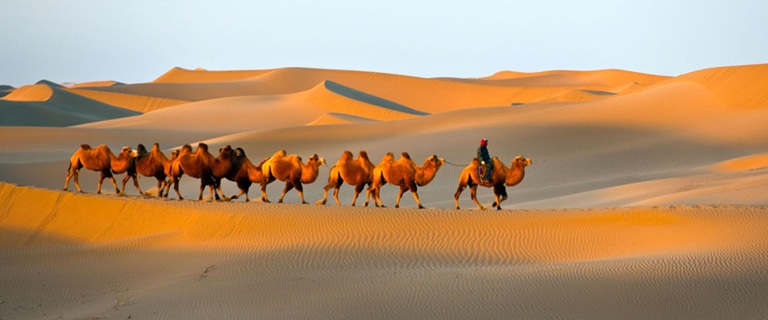
Roaming the scorching deserts of Africa, Asia, and the Middle East, camels are nature’s ultimate desert survivors. Known as the “ships of the desert,” these large mammals have evolved a suite of extraordinary adaptations that let them thrive in environments where water and food are scarce, and temperatures soar above 50°C.
Camels’ most famous feature is their humps, but contrary to popular belief, these aren’t water storage tanks—they store fat. A single hump (for dromedary camels) or two humps (for Bactrian camels) can hold up to 36 kilograms of fat, which the camel breaks down into energy and water when resources are limited. This allows them to go without drinking for up to two weeks and without food for months. When they do find water, they can drink up to 113 liters in just 13 minutes—an astonishing feat that would be fatal for most animals.
Their bodies are built for desert life: thick, shaggy fur protects them from the sun during the day and insulates them from cold desert nights. They have broad, padded feet that prevent them from sinking into sand, and their nostrils can close tightly to keep out dust storms. Even their eyes are adapted—long eyelashes and a transparent third eyelid shield against sand and glare. Camels also conserve water by producing dry feces and little urine, and their bodies can tolerate a 25% loss of body water (humans die at just 12-15%).
These gentle giants are social animals, living in herds led by a dominant male. They’re herbivores, feeding on tough desert plants, thorns, and dried leaves that other animals can’t eat. For centuries, camels have been vital to human communities in deserts, serving as transportation, sources of milk, meat, and wool. Their incredible ability to survive in one of Earth’s harshest environments makes them a true symbol of resilience.