On Komodo Island in Indonesia, an adult Komodo dragon bites the hind leg of a wild boar. Instead of chasing relentlessly, it follows slowly behind the prey. A few hours later, the wild boar collapses due to excessive blood loss—not from bacterial infection, but from the lethal power of the Komodo dragon’s venom. This giant lizard, known as the “demon dragon”, is both a fearsome predator and humanity’s hope in the fight against superbugs.
For a long time, people believed that Komodo dragons hunted using deadly bacteria in their mouths, but a 2009 study completely changed this perception. Scientists discovered that Komodo dragons have two venom glands in their lower jaws, which secrete venom containing a variety of toxic proteins. These toxic proteins have anticoagulant, paralytic, and blood pressure-lowering effects; once they enter the prey’s wound, they cause continuous bleeding and shock. Their teeth are serrated, capable of inflicting deep wounds that facilitate venom diffusion.
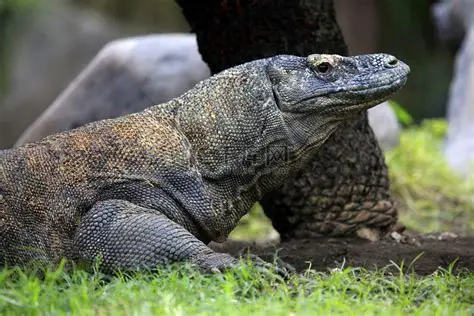
Even more amazing is that Komodo dragons have super resistance to their own venom and oral bacteria. During mating or feeding, they often bite each other but do not get sick as a result. Studies have found that their blood contains nearly 50 types of antimicrobial peptides, which can efficiently kill bacteria, fungi, and even viruses. One of these, called DRGN-1, has shown excellent wound-healing effects in laboratory tests and can effectively combat Pseudomonas aeruginosa and Staphylococcus aureus—both listed by the World Health Organization as “super drug-resistant bacteria”.
Currently, scientists are conducting in-depth research on the structure and mechanism of action of these antimicrobial peptides, hoping to develop new antibiotics. As the global problem of antibiotic resistance becomes increasingly severe, these “natural drugs” in Komodo dragon blood may become the key to humanity’s victory over superbugs. This powerful immune system formed through evolution has given this ancient species new value in the medical field.