When European scientists first laid eyes on a platypus specimen in the late 18th century, they thought it was a hoax. A furry mammal with a duck’s bill, webbed feet, and the ability to lay eggs—it seemed like a patchwork of different animals. But the platypus is no joke; it’s a unique monotreme, one of only five egg-laying mammal species left on Earth, and a living example of evolution’s quirky creativity.
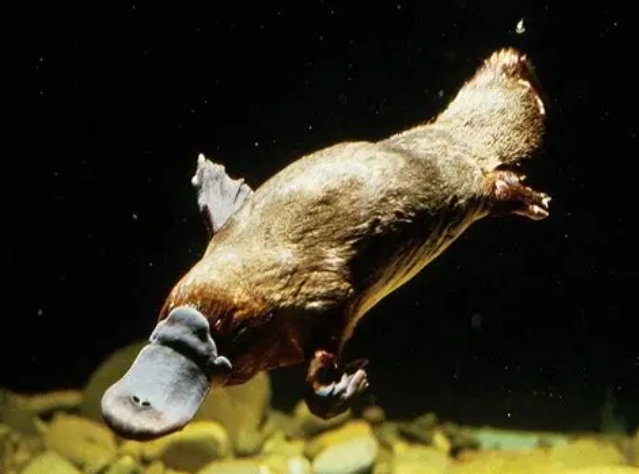
The platypus is native to eastern Australia, where it lives in freshwater rivers and streams. Its most distinctive feature is its broad, flat bill, which is covered in electroreceptors. These receptors allow the platypus to detect the electrical signals produced by the muscle contractions of its prey—such as shrimp, insects, and small fish—even in murky water where visibility is zero. When hunting, it shuts its eyes, ears, and nose, relying solely on its bill to sense and catch food.
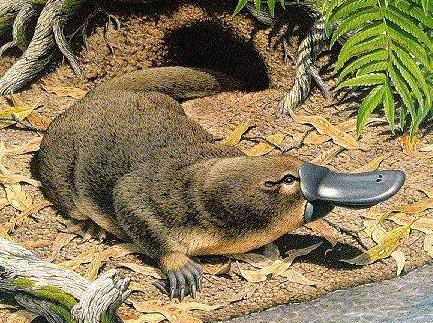
Another surprising trait of the platypus is its reproductive method. Females lay 1-3 leathery eggs, similar to those of reptiles, and incubate them in a burrow for about 10 days. After hatching, the tiny, blind platypus pups lap up milk from specialized glands on the mother’s belly—she doesn’t have nipples—until they’re old enough to venture out on their own. This combination of egg-laying and milk-feeding makes the platypus a crucial link in understanding the evolution of mammals.
Male platypuses have an additional oddity: venomous spurs on their hind legs. The venom isn’t lethal to humans, but it can cause excruciating pain that doesn’t respond well to traditional painkillers. During mating season, males use these spurs to compete with other males for females. The platypus’s unique biology has made it a symbol of Australia’s diverse and unusual wildlife, and a constant source of fascination for scientists and nature lovers alike.